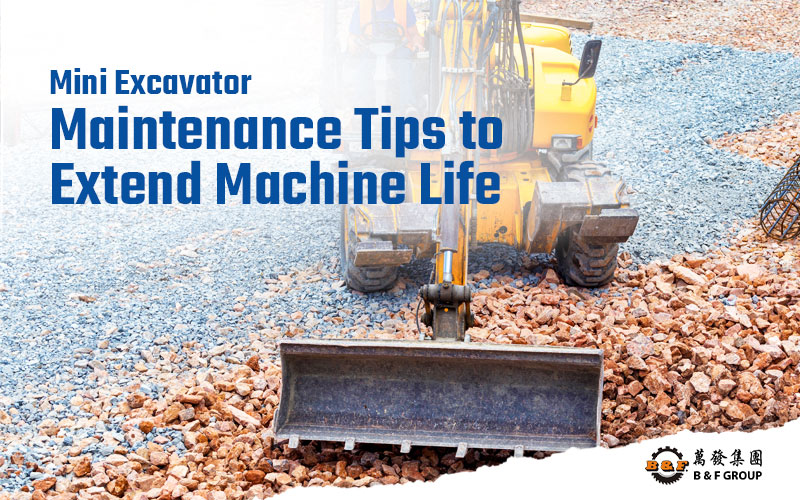

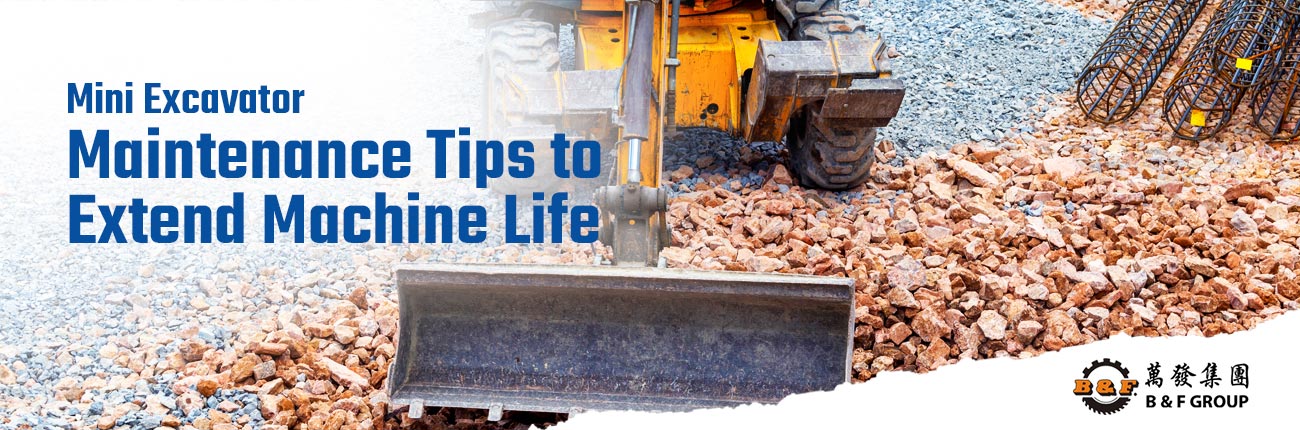
Mini excavator maintenance tips are important for avoiding costly downtime on Malaysian construction sites.
Hydraulic hoses could fail when under heavy loads. Machines can overheat if it’s dusty. Excavators might not start after getting wet in the rain.
When these problems happen, work stops. Operators wait, subcontractors stand by, and project schedules slip.
So, what maintenance does a mini excavator need? Here are some handy tips to tackle common failure patterns. They help keep machines effective, safe, and affordable.
Daily/Pre-Operation Checks
1. Fluids
To begin with, overheating and unstable hydraulic performance are common problems in Malaysia.
The high temperatures cause oil to break down more quickly. But operators often check the oil level instead of its condition.
What parts of the excavator may need to be regularly maintained? Warming up and checking the oil’s colour and smell helps stop internal wear and power loss.
2. Hardware
Small leaks and vibrations on uneven ground are often the first signs of hose bursts and weak joints. Operators often miss these warnings.
Thus, early tightening and smoother operation avoid fatigue damage and sudden breakdowns.
3. Attachments
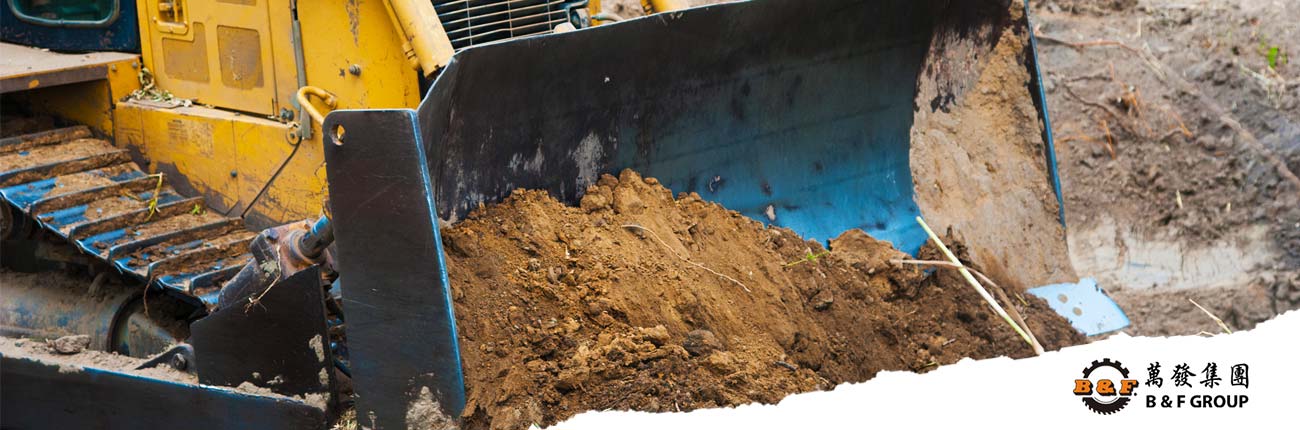
Using laterite soil and demolition debris can lead to fast wear and cracking. This often occurs when workers overload or side-load the bucket.
Thus, correctly using mini excavator attachments and performing daily wear inspection prolongs the service life.
Post-Operation/Weekly Tasks
1. Cleaning
Mud on the undercarriage speeds up the wear of tracks and rollers. When radiators get blocked by cement dust, sand, or debris, it causes overheating.
It is costly to neglect cleaning to save time. The work conditions in Malaysia are dusty and wet.
So, the radiator and undercarriage need regular cleaning. This is an important part of construction equipment maintenance.
2. Greasing
Wet soil and fine sand can wash away lubrication sooner than you think, causing pins and bushings to wear down quickly.
Many operators only grease when they notice looseness or hear noise. By then, it’s too late.
So, to reduce wear on muddy and tough sites, add more grease. These are the most effective heavy machinery maintenance tips for tough sites.
3. Hydraulics
High temperatures and polluted oil are common causes of hose and seal damage.
Operators often carry on with small leaks, which can result in a sudden hydraulic failure.
You can avoid major downtime by inspecting early, routing hoses properly, and stopping work when leaks occur.
Monthly/Scheduled Tasks
1. Oil/Filters
In dusty and busy operations, long service intervals can lead to engine power loss and early pump wear.
One common error made by operators and management is to delay oil changes to save money.
For strict local conditions, shorten intervals and follow strict hourly servicing.
2. Battery
Corrosion from rain and humidity is a common cause of starting and electrical issues.
It gets worse when operators carry out pressure washing near electrical components.
Keep terminals dry and clean to increase longevity. Also, protect electrical systems from direct water contact.
3. Calibration
Poor calibration causes rough control, lower output, and extra stress on parts, especially in busy city sites.
Furthermore, after repairs or attachment changes, many machines are not recalibrated.
Regular calibration prolongs the component’s lifespan and ensures smooth operation.
Best Practices for Mini Excavator Operation and Maintenance
Good operating habits play a major role in equipment longevity. As a result, these practices help protect your investment and reduce ownership costs.
1. Use Genuine Parts
Use genuine or OEM-approved replacement components whenever possible. Thus, you ensure compatibility for parts requiring regular maintenance.
2. Proper Storage
Store the machine in covered areas away from harsh weather conditions. As a result, proper storage reduces rust, seal damage, and electrical problems.
3. Operator Training
Well-trained operators reduce misuse and unnecessary mechanical stress. Training matters a lot when you’re deciding to buy or rent construction equipment.
4. Smooth Operation
Avoid aggressive movements and excessive loads during operation. So, smooth handling reduces stress on hydraulics, structures, and attachments.
B&F Group Solutions for Mini Excavator Performance
B&F Group provides businesses with trustworthy solutions. We focus on sales support, maintenance tips, and planning for equipment needs over the long term.
We are a trusted mini excavator supplier for businesses in Malaysia that offer machine options suited for different applications, site conditions, and budgets.
Also, we help customers with maintenance planning and mini excavator maintenance tips. This advice aims to maximize uptime and efficiency.
From selecting the right machine to maintaining attachments and wear parts, B&F Group helps maximize equipment value.
Maximize Your Mini Excavator Performance with B&F Group
Many customers often ask, what is the life expectancy of a mini excavator? The answer depends on how well the machine is maintained, how it is used, and the setting in which it works.
Another common question is, what are the most reliable mini excavators? Reliability is not only the brand but also correct usage, regular maintenance, and timely inspections.
In short, proper upkeep of your mini excavator is vital. So, following the mini excavator maintenance tips ensures it stays reliable and effective for every task.
Partner with B&F Group for expert advice, quality mini excavators, and solutions that increase uptime and performance.